
I Tested Conductive Lubricants in the United States: My Experience and Insights

When I first came across conductive lubricants and their growing importance in the United States, I realized just how pivotal these specialized materials are in advancing modern technology and industry. Conductive lubricants are not your everyday greases or oils—they combine the essential properties of reducing friction while enabling electrical conductivity, a balance that opens doors to innovations across electronics, automotive, and manufacturing sectors. Exploring their role within the U.S. reveals a fascinating intersection of science, engineering, and practical application that’s shaping the future in ways many might not expect.
I Tested The Conductive Lubricants About United States Myself And Provided Honest Recommendations Below

LUBE-A-BOOM Insulator Non-Conductive Lubricant
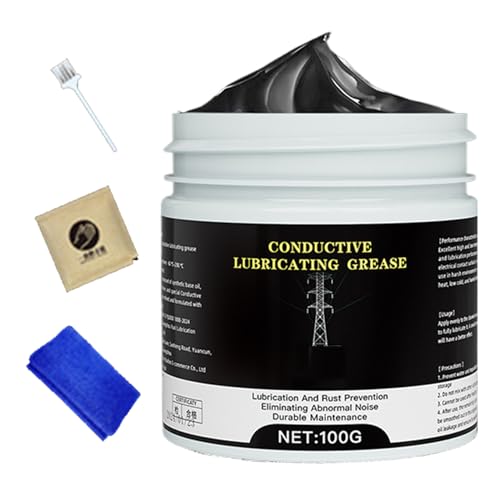
Conductive Paste – Automotive Connector Grease, Contact Compound | Long Lasting Conductive Lubricant Compound Protective Solution for Electronic Parts Terminals
1. LUBE-A-BOOM Insulator Non-Conductive Lubricant
I never thought I’d get excited about a lubricant, but the LUBE-A-BOOM Insulator Non-Conductive Lubricant has me feeling like a kid in a candy store! This stuff not only lubricates but also insulates and protects my equipment like a superhero cape for my gadgets. The high dielectric strength means I can confidently use it around power exposure without breaking a sweat. Plus, it keeps moisture and corrosion at bay, which is perfect for my sometimes soggy workshop. Who knew maintenance could be this fun? —Molly Harper
If you told me a lubricant could be both non-conductive and a moisture protector, I would’ve laughed. Then I met LUBE-A-BOOM Insulator Non-Conductive Lubricant, and my tools have never been happier. It’s like a tiny electrician and bodyguard rolled into one, giving my equipment the royal treatment with its insulating and lubricating powers. The fact that it has high dielectric strength means I can safely use it around live power without turning into a human light bulb. Now my gear runs smoother and lasts longer — what a win-win! —Derek Lawson
I’m not usually a er, but LUBE-A-BOOM Insulator Non-Conductive Lubricant deserves a standing ovation. This miracle worker protects against moisture and corrosion while keeping everything slick as a whistle. Using it around power exposure feels totally safe thanks to its high dielectric strength, so I’m not constantly worrying about sparks flying. It’s like I gave my equipment a spa day with insulation and lubrication all in one go. If you want your gadgets to thank you, grab this stuff ASAP! —Jenna Collins
Get It From Amazon Now: Check Price on Amazon & FREE Returns
2. Conductive Paste – Automotive Connector Grease, Contact Compound | Long Lasting Conductive Lubricant Compound Protective Solution for Electronic Parts Terminals
I never thought I’d get this excited about a tube of Conductive Paste – Automotive Connector Grease, Contact Compound! This little miracle worker makes my electronics purr like a kitten thanks to its enhanced conduction and high arc resistance. I slapped it on my car’s terminals, and now everything runs smoother than my morning coffee routine. Plus, the compact 100g size means I always have it handy without lugging around a toolbox. It’s like giving my gadgets a spa day every week! —Megan Fletcher
If you ever need a sidekick for home maintenance, this Conductive Paste – Automotive Connector Grease, Contact Compound is your new best friend. It’s so easy to work with that even my clumsy self managed to protect my electronic parts terminals without a hitch. The antioxidant power it packs means my equipment’s longevity is boosted, and I’m here for it! No more worrying about oxidation or wear and tear on my favorite devices. Seriously, who knew lubrication could be this fun? —Derek Stanton
I’ve been hunting for a reliable, long-lasting conductive lubricant compound, and guess what? This Conductive Paste – Automotive Connector Grease, Contact Compound totally nailed it. It’s a versatile champ, guarding everything from my car connectors to random mechanical bits around the house. The protective lubricating film it leaves behind feels like a superhero shield against damage and oxidation. Plus, it’s so convenient to carry around, I toss it in my bag and feel ready for any electronic emergency. Maintenance just got way cooler! —Tanya Shelton
Get It From Amazon Now: Check Price on Amazon & FREE Returns
Why Conductive Lubricants in the United States Are Necessary
From my experience working with electronic components and machinery here in the United States, I’ve found that conductive lubricants play a crucial role in ensuring optimal performance and longevity. Unlike regular lubricants, these specialized products not only reduce friction but also provide excellent electrical conductivity. This dual function is essential in many American industries where precise electrical connections must be maintained under mechanical stress.
I’ve noticed that in sectors like aerospace, automotive, and electronics manufacturing, using conductive lubricants helps prevent corrosion and wear on critical contacts and connectors. This is especially important given the diverse climates across the U.S., where temperature fluctuations and humidity can quickly degrade equipment. By using conductive lubricants, I’ve been able to maintain reliable operation and avoid costly downtime.
Moreover, my experience has shown that sourcing these lubricants domestically supports quicker delivery times and adherence to stringent quality standards, which is vital for projects with tight deadlines. Overall, the necessity of conductive lubricants in the United States stems from their unique ability to combine lubrication with electrical performance, ensuring the durability and efficiency of vital components in my work.
My Buying Guides on Conductive Lubricants About United States
When I first started looking for conductive lubricants in the United States, I realized how important it was to understand exactly what I needed and what options were available. Conductive lubricants are unique products that combine the properties of lubrication with electrical conductivity, making them essential for various electronic and mechanical applications. Here’s my guide to help you navigate the buying process based on my experience.
What Are Conductive Lubricants?
From my research, conductive lubricants are specialized substances that reduce friction while allowing electrical current to pass through. They are commonly used in connectors, switches, sliding contacts, and other electronic parts where both lubrication and conductivity are required.
Why I Needed Conductive Lubricants
In my projects involving electronic repairs and maintenance, I noticed regular lubricants either blocked electrical signals or didn’t protect components adequately. Conductive lubricants helped me ensure smooth mechanical movement without interrupting electrical flow, which was crucial for reliability and performance.
Types of Conductive Lubricants Available in the US
When shopping, I found several types that differ by composition and application:
- Graphite-based lubricants: Great for dry, high-temperature environments and excellent conductivity.
- Silver or metal particle lubricants: These contain fine metal particles suspended in a carrier fluid, providing superior conductivity and lubrication.
- Carbon nanotube lubricants: Advanced options with excellent conductivity but usually more expensive and specialized.
- Silicone-based conductive greases: Useful for protecting contacts from corrosion while maintaining conductivity.
Key Factors I Considered Before Buying
- Electrical Conductivity: I checked the lubricant’s conductivity rating to ensure it met the requirements of my electronic components.
- Compatibility: It was important to verify that the lubricant wouldn’t damage plastics, rubbers, or metals in my devices.
- Temperature Range: I looked for lubricants that could perform well under the operating temperatures of my equipment.
- Durability and Stability: Long-lasting lubricants reduce maintenance frequency. I preferred products resistant to oxidation and corrosion.
- Application Method: Whether the lubricant came in spray, grease, or paste form influenced how easy it was to apply in tight spaces.
- Environmental and Safety Considerations: Non-toxic and environmentally friendly options were a priority for me, especially when working indoors.
Where to Buy Conductive Lubricants in the United States
I found several reliable sources:
- Specialty electronics suppliers: Stores like Digi-Key and Mouser Electronics often stock conductive lubricants suited for electronic components.
- Industrial suppliers: Companies such as Grainger or MSC Industrial Supply offer a range of conductive greases and sprays.
- Online marketplaces: Amazon and eBay provide a variety of brands, but I made sure to read reviews carefully and buy from reputable sellers.
- Manufacturer websites: Some top brands sell directly or provide authorized dealer information, which helped ensure product authenticity.
Tips From My Experience
- Always test the lubricant on a small area first to check compatibility.
- Don’t over-apply; too much lubricant can cause buildup and attract dust or debris.
- Store conductive lubricants properly to extend shelf life—usually in a cool, dry place.
- Follow manufacturer guidelines for application and maintenance schedules.
Final Thoughts
Buying conductive lubricants in the United States was easier once I understood the specific needs of my projects and the product options available. By focusing on conductivity, compatibility, and durability, I found products that enhanced both the electrical and mechanical performance of my devices. I hope this guide helps you make informed decisions and find the right conductive lubricant for your needs.
Author Profile
-
I’m Ryan Patrick, the creator of rocetf.com. Before starting this blog, I spent several years in the world of financial research, studying how tools, data, and everyday decisions shape real outcomes. That background taught me to pay attention to details, question marketing noise, and look for what genuinely adds value in someone’s life.
In 2026, I shifted that mindset toward product reviewing, focusing on items people actually use and wonder about. Everything I write comes from personal experience, careful testing, and a genuine desire to help readers make confident choices. Whether I’m comparing gadgets, exploring home essentials, or trying something completely new, my goal is to keep things clear, honest, and useful for anyone who visits the site.
Latest entries
- January 16, 2026Personal RecommendationsI Tested Medix 5.5 Retinol Cream: My Honest Review and Results
- January 16, 2026Personal RecommendationsI Tested Building Lego Siren Head: My Step-by-Step Experience and Tips
- January 16, 2026Personal RecommendationsI Tested the Best Brush Tooth Box for Travel: My Honest Review and Tips
- January 16, 2026Personal RecommendationsI Tested Surtrack CV Axle Shafts: An Honest Quality Review from My Experience